
Research in the field
More than 35 interviews and in field tests. I shadowed agents and photographers on real scans, which reshaped the strategy and, above all, the capture flow, the make or break moment of the whole product.
Roomio · Case study
An app that turns any iPhone walkthrough into professional 2D and 3D floor plans, delivered in hours, not days.


A brand new product, taken from a blank page to a real, paying business in under six months.
The problem
Every listing needs a floor plan, but getting one used to be a real barrier. Capturing a home accurately meant specialist gear like Matterport, at up to $15,000 a camera. So most agents and photographers outsourced it, then waited days for results that came back inconsistent.
The opportunity was hiding in plain sight: almost everyone already carries a LiDAR scanner in their pocket. The real problem was never the hardware. It was making phone capture foolproof, and delivery reliable.
The bet
Replace a $15k camera with the phone already in your pocket.
My role
As the founding designer on Roomio, I owned the product from first principles. I set the strategy and the product direction, decided what to build and when, and ran the research with real agents and photographers in the field. The vision was mine to shape, and the roadmap was mine to defend.
Then I built it. The full UX and UI, the brand and the design system from scratch, and the day to day delivery alongside engineering. I also folded AI deep into my workflow, prototyping in code to validate and ship far faster than a traditional design process allows.
Process
More than 35 interviews and in field tests. I shadowed agents and photographers on real scans, which reshaped the strategy and, above all, the capture flow, the make or break moment of the whole product.
Roomio had no visual language. I designed the mark, the palette and a component library that could scale, so a brand new product felt trustworthy from day one.
I prototyped in code and used AI to get from idea to a testable flow in hours, tightening the loop between design, validation and delivery.
The product
A few taps of real work, and a professional plan lands in the app.
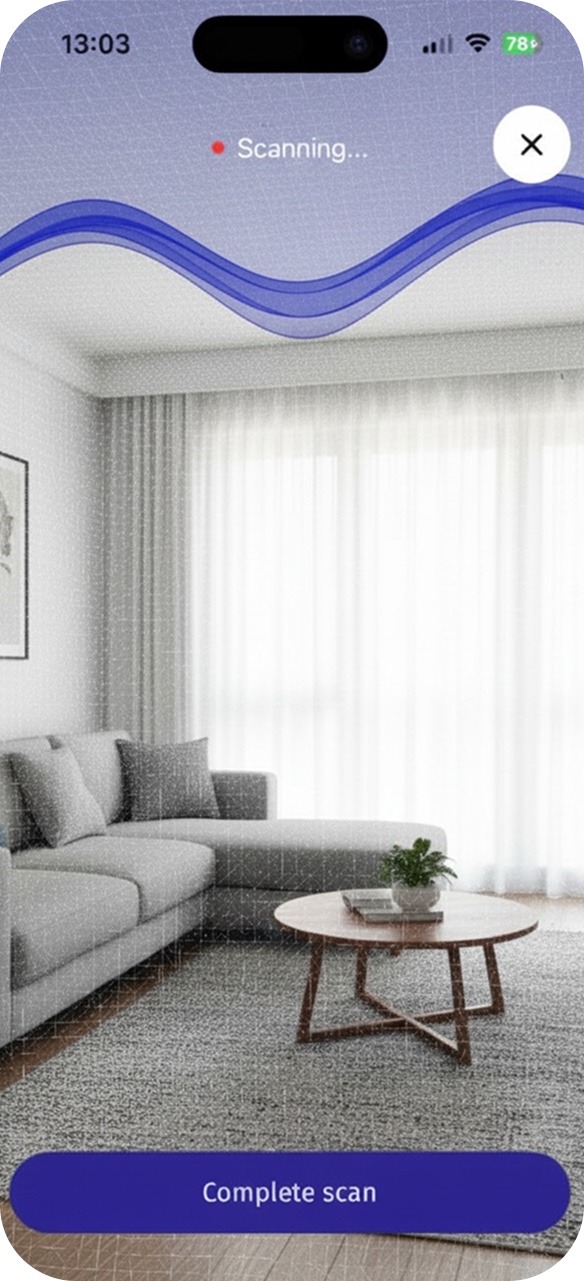
The agent or photographer walks the home with an iPhone. LiDAR handles every measurement, so there is no extra gear and nothing to learn.
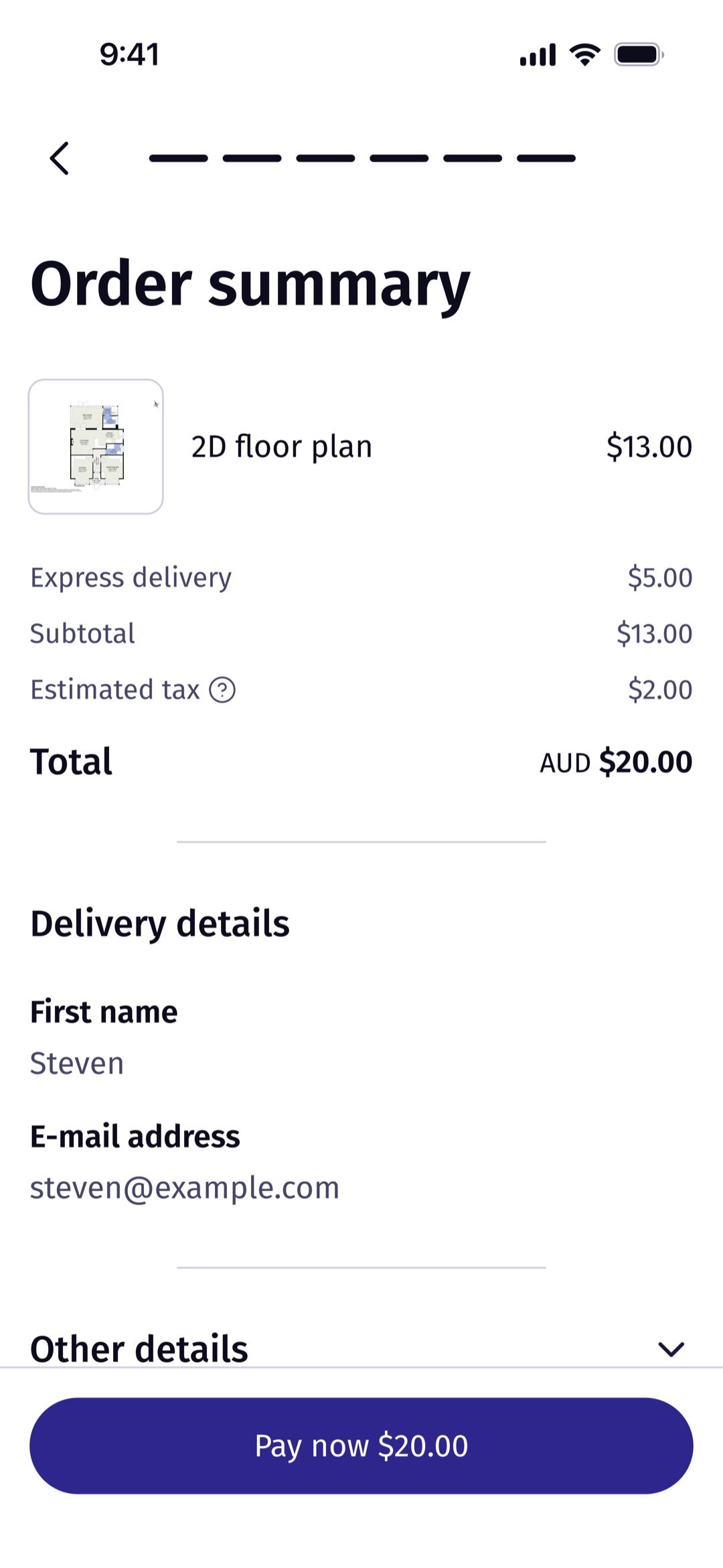
Choose 2D or 3D, standard or express, and check out with pay as you go pricing built for the way agencies actually work.
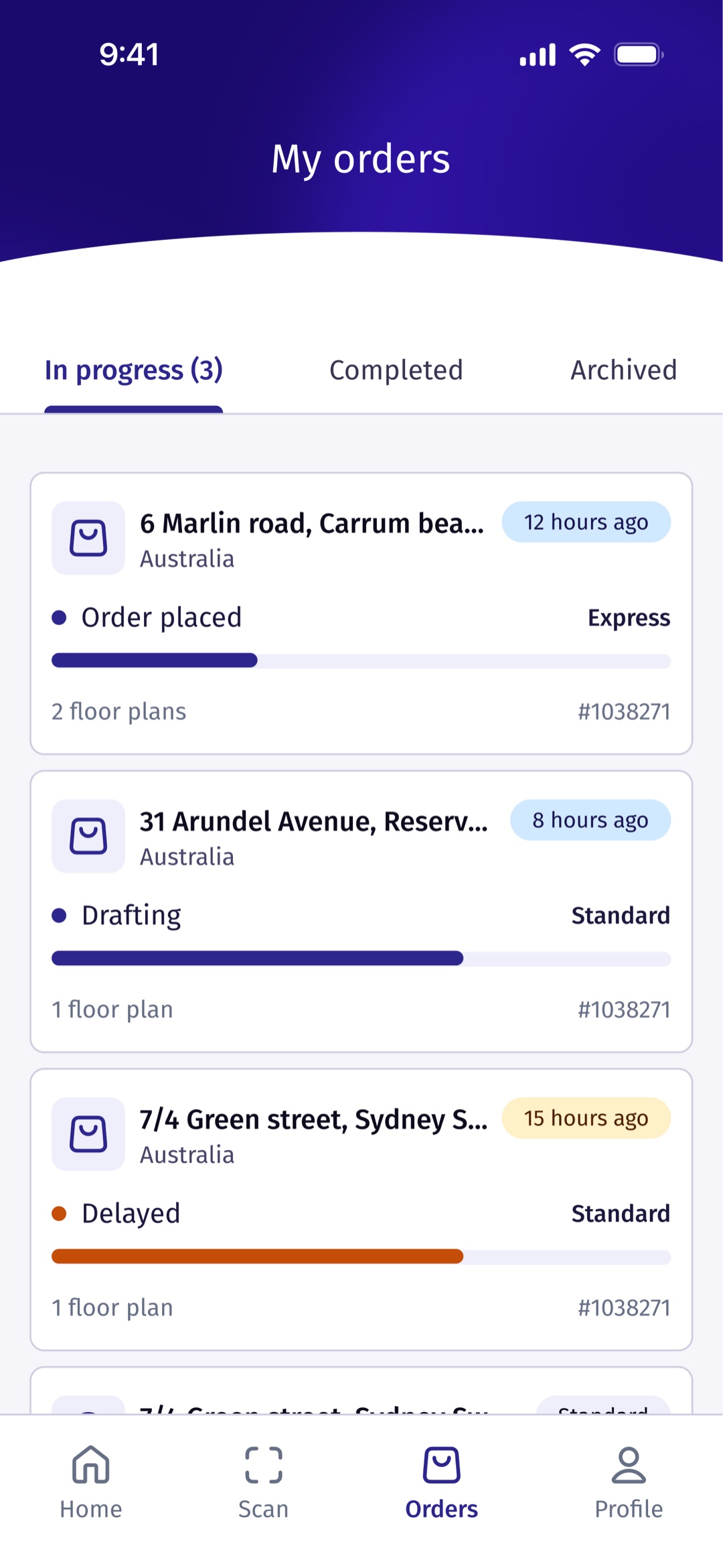
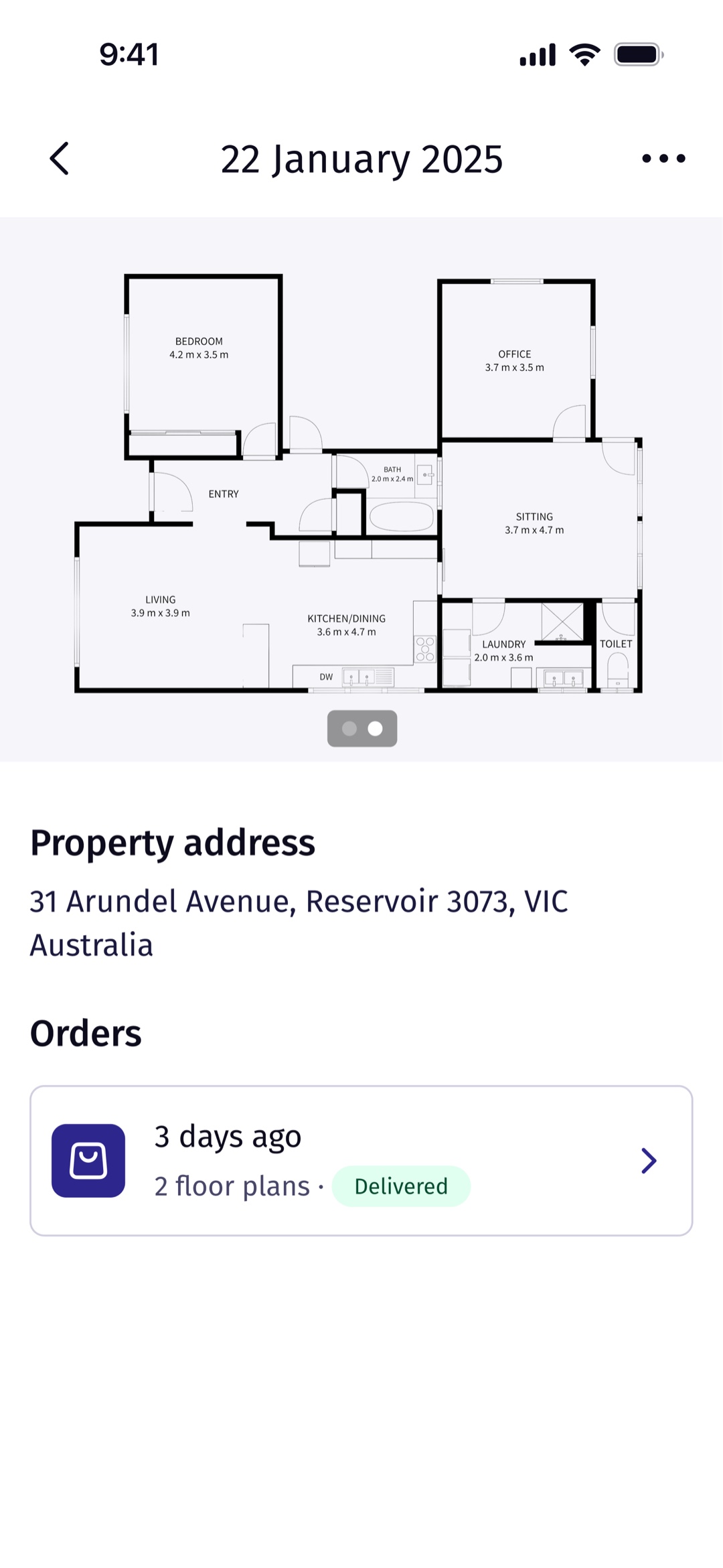
Each scan moves through a clear status, from placed to drafting to delivered, so nobody has to chase an email for an update.
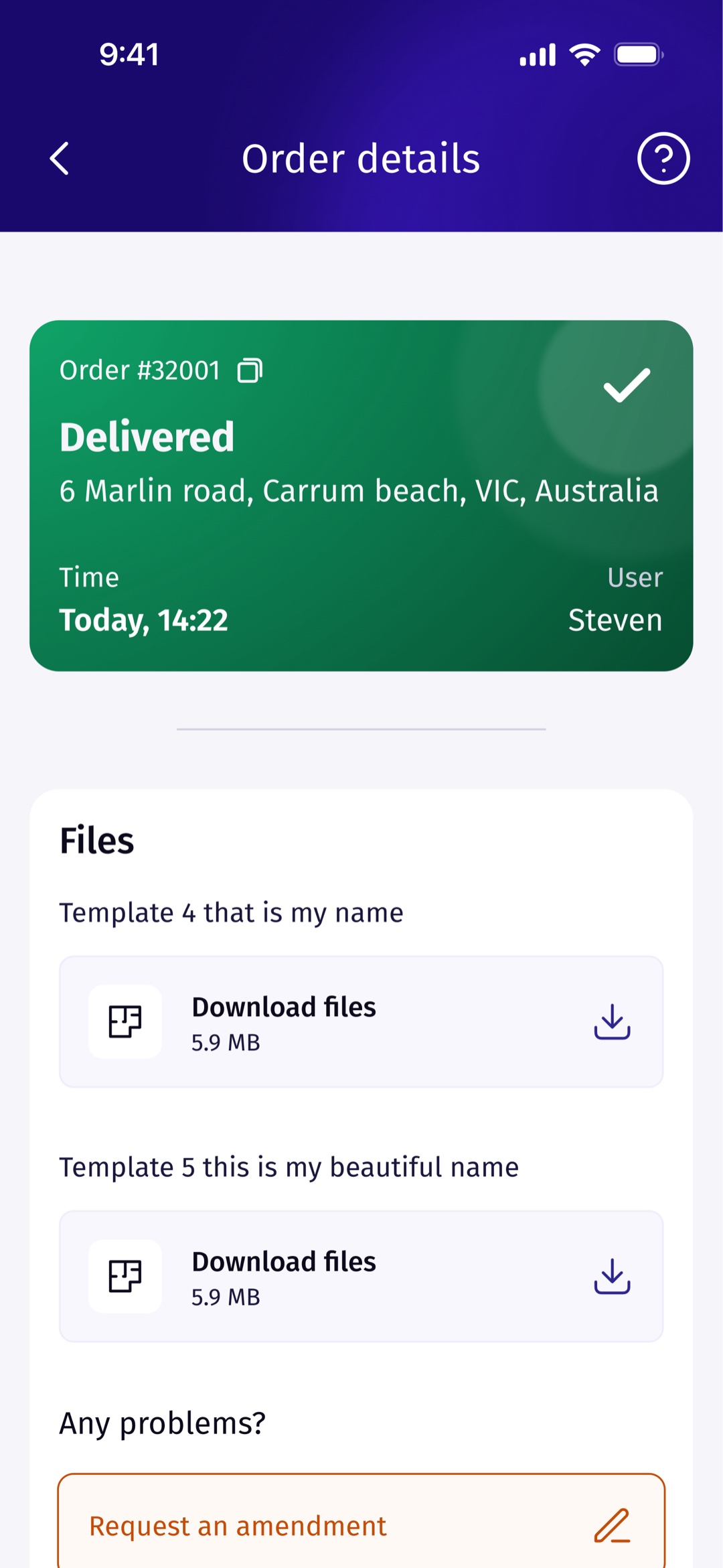
Finished floor and site plans land in the app within hours, downloadable and listing ready, with an amendment only a tap away.
Brand and design system
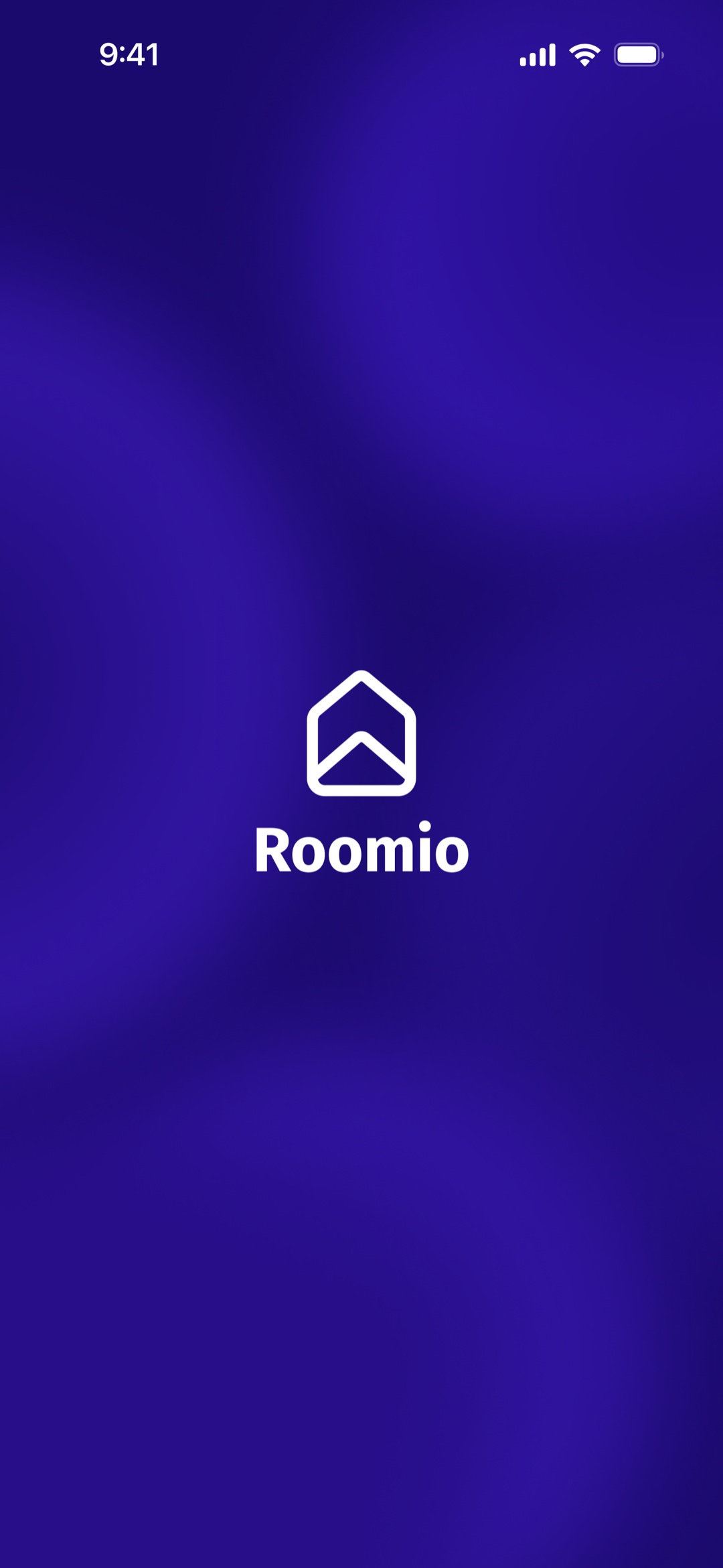
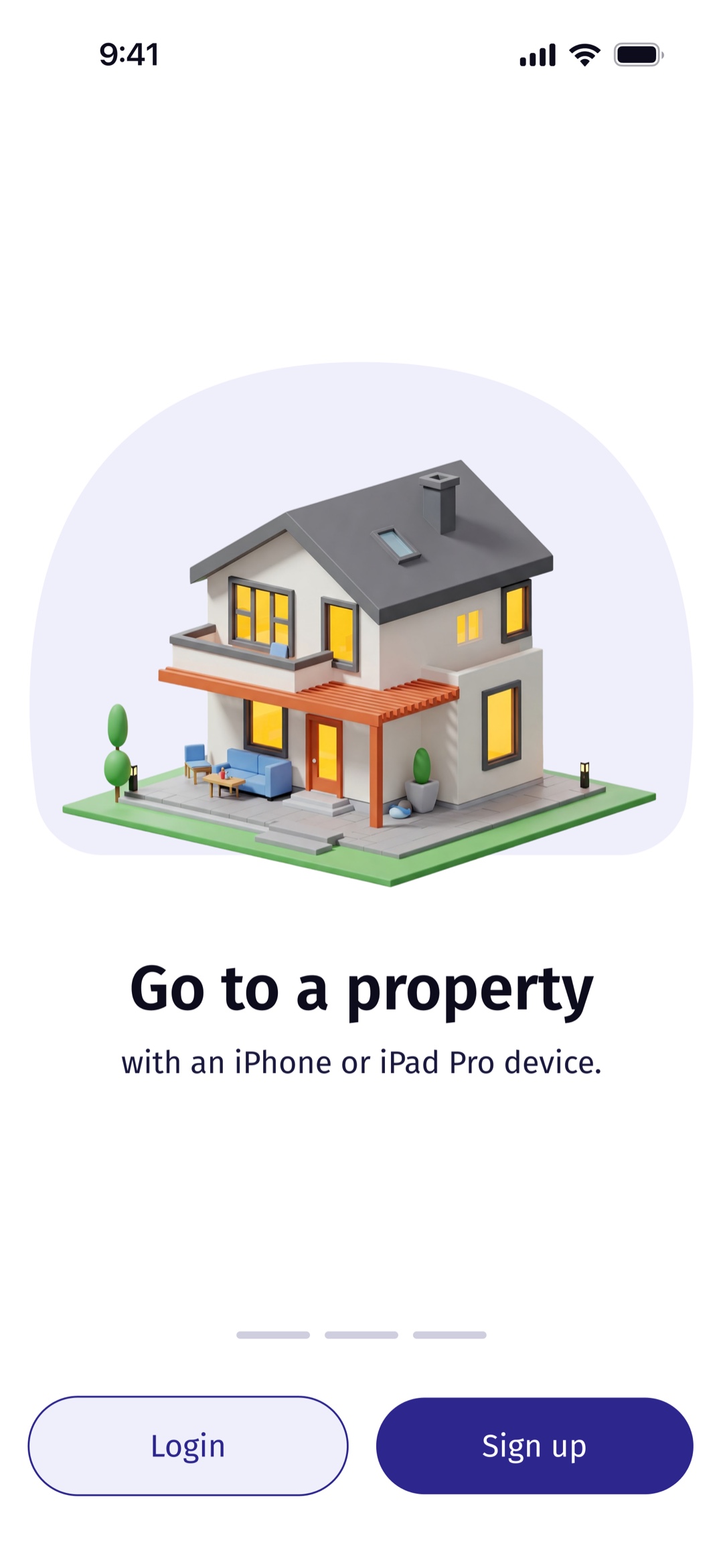
Real estate runs on credibility, so Roomio had to look established from day one. I built the identity and the system behind it, from the logo and a confident indigo to a component library that keeps every screen consistent as the product grows.

The house mark reads as a home and a floor plan at once, the whole product in a single symbol.

In the wild
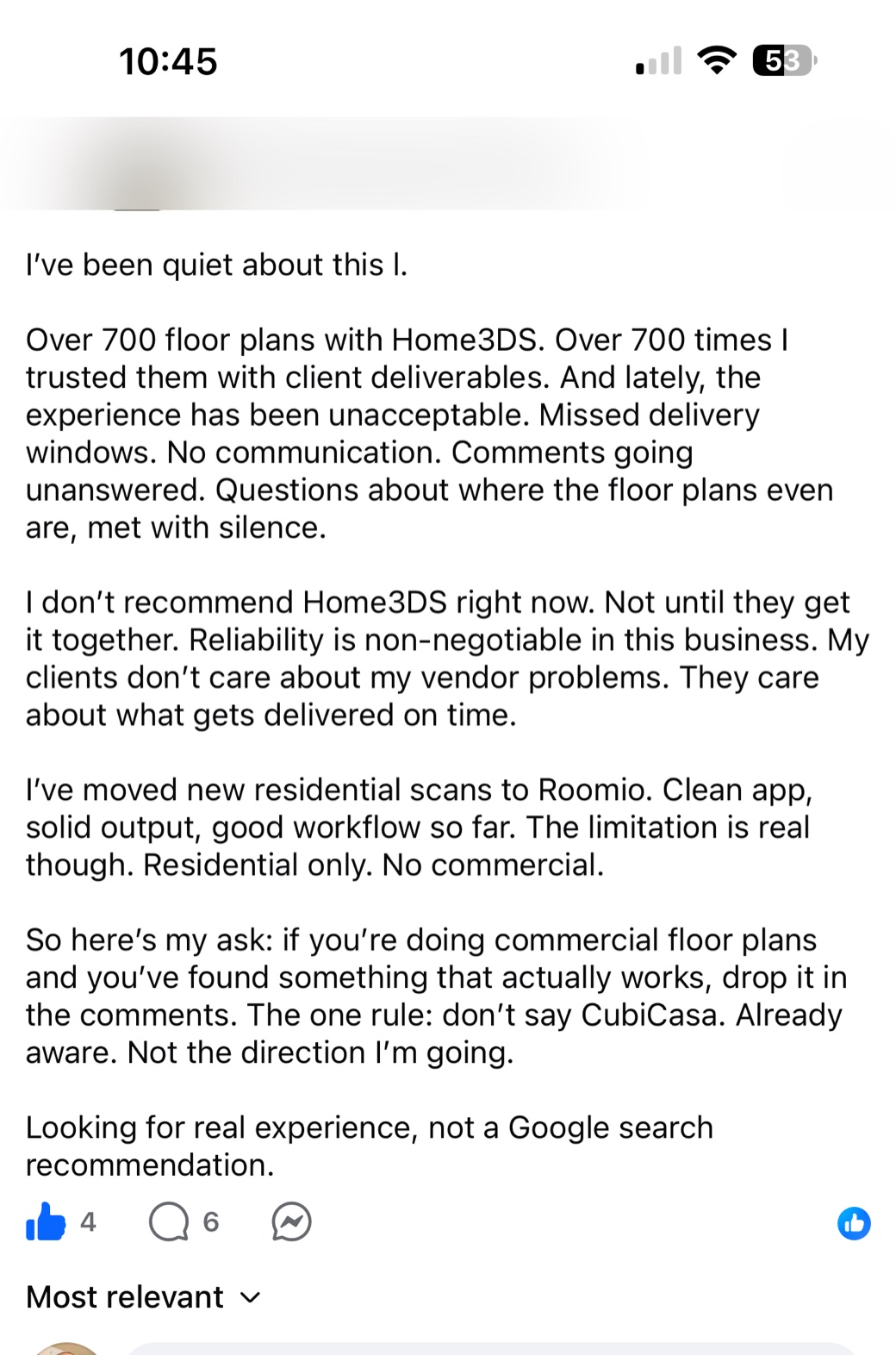
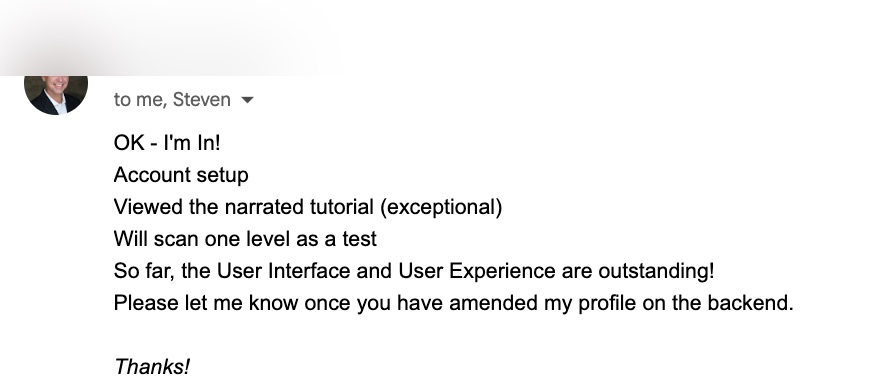
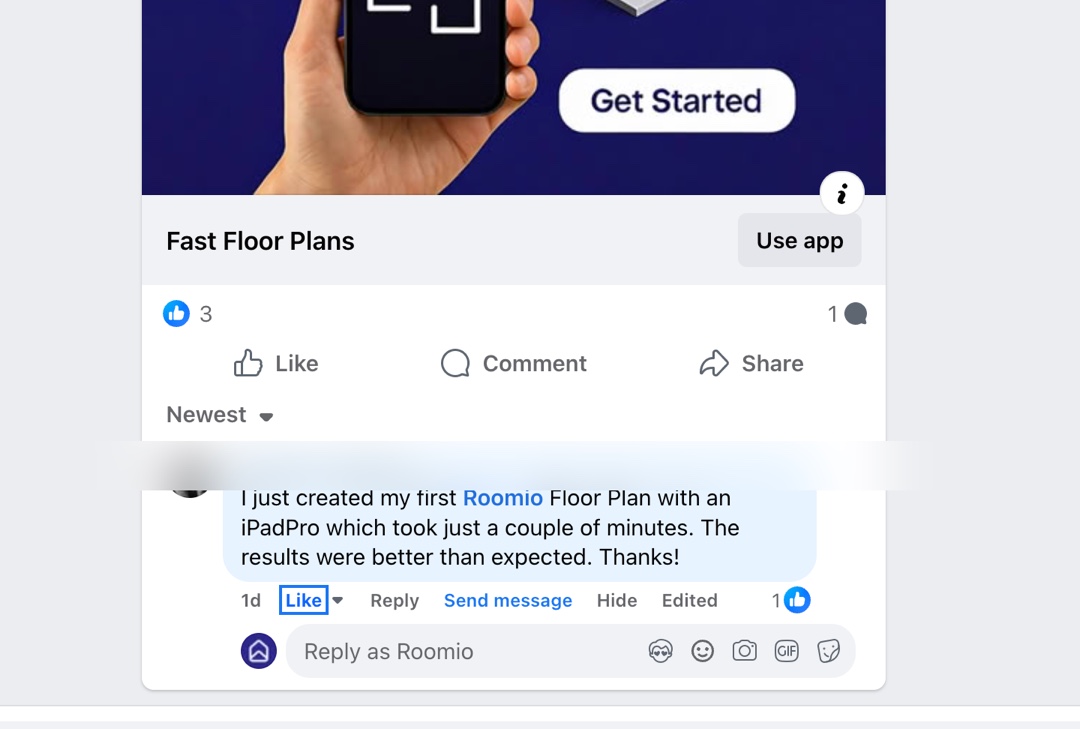
Around 500 users moved to Roomio from competitors in the first month, and the strongest signal came unprompted, with people recommending it in their own communities. Names are blurred for privacy.
Outcomes
What I took away
Roomio is the sharpest example of how I like to build. Close to real users, fast from idea to shipped, and holding the craft and the business outcome to the same bar. It is also where prototyping in code stopped being an experiment and became how I design.